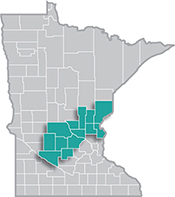
 Central Minnesota is a manufacturing stronghold, with several global manufacturing firms operating there.
The region is especially well known for its expertise in food processing, printing, furniture manufacturing, appliances, machinery and heavy equipment manufacturing.
View our latest blogs on CareerForce. Want the freshest data delivered by email? Subscribe to our regional newsletters.
Demand for direct care workers in Central Minnesota remains high as the region’s aging population drives strong need for Home Health and Personal Care Aides and Nursing Assistants.
10/26/2026 1:18:28 PM
Luke Greiner
As Central Minnesota's population ages, demand continues to grow for workers who provide hands-on care and help people maintain their health, safety and independence. Two occupations playing a particularly important role are Home Health and Personal Care Aides and Nursing Assistants. Both are identified as high-demand occupations in the region, but they serve somewhat different needs and work settings.
Home Health and Personal Care Aides are one of the largest direct-care occupations in Central Minnesota, with approximately 11,500 jobs in the first quarter of 2026. Their median wage was $18.90 per hour, with half the jobs paying between $17.73 and $21.44 per hour. These workers commonly assist older adults and people with disabilities with daily activities and personal care, often allowing individuals to remain in their homes and communities longer.
Nursing Assistants, including many workers commonly referred to as CNAs, are also in high demand. Central Minnesota had about 3,730 Nursing Assistants positions, paying a median wage of $22.57 per hour. Half paid between $19.35 and $23.65 per hour, and the top ten percent of CNA jobs paid more than $27.15 per hour. Nursing Assistants typically work under the direction of licensed nursing staff in nursing homes, hospitals and other healthcare facilities, providing assistance with feeding, bathing, dressing, mobility and other basic care needs.
Together, these occupations account for more than 15,000 direct-care jobs in Central Minnesota. Their continued high demand reflects both the region's growing need for healthcare services and the challenge employers face replacing workers who retire or leave these often-demanding positions.
For job seekers, both occupations can provide accessible entry points into healthcare and opportunities to gain experience that can lead to additional training and advancement. For employers and communities, maintaining a strong supply of direct-care workers will remain essential as Central Minnesota's care needs continue to grow.
| Home Health & Personal Care Aides | Nursing Assistants |
|---|---|
| SOC 31-1120 | SOC 31-1131 |
| Help older adults and people with disabilities with daily living activities and personal care, often in home and community-based settings. | Provide or assist with basic care under the direction of licensed nursing staff, including feeding, bathing, dressing, grooming, toileting, and ambulation in healthcare and nursing facilities. |
| Employment: 11,500 | Employment: 3,730 |
| Median Wage: $18.90/hr | Median Wage: $22.57/hr |
| Mean Wage: $19.35/hr | Mean Wage: $22.20/hr |
| 25th-75th Percentile Wage: $17.73 - $21.44 | 25th-75th Percentile Wage: $19.35 - $23.65 |
| 10th-90th Percentile Wage: $16.27 - $22.71 | 10th-90th Percentile Wage: $18.71 - $27.15 |
| Source: DEED Occupational Employment & Wage Statistics | |
November is Caring Careers Month – a chance to celebrate the people who make a difference every day in the lives of older adults, people with disabilities and people with behavioral health care needs across Minnesota. There are many employment opportunities in aging services, disability services and behavioral health services now - and projected high demand for at least the coming decade.
For more information about healthcare careers in Central Minnesota, contact Luke Greiner at luke.greiner@state.mn.us.

