4/1/2026 3:02:21 PM
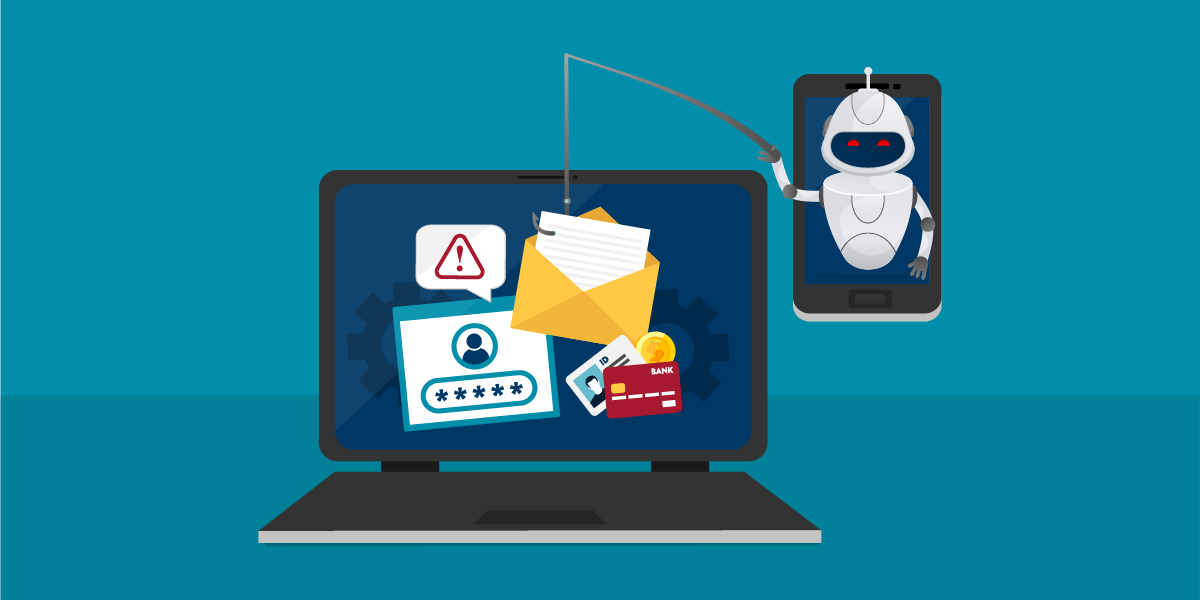
This April, don’t let cybercriminals fool you. Be cautious of every email or text – during April or any other month – because even though they might look legitimate, they could be a phishing attempt. Does the message imply it’s urgent? It probably isn’t. Does it seem too good to be true? It probably is.
Bad actors use artificial intelligence (AI) to create emails, text messages, or phone calls that seem real. Some messages look and sound so realistic, they fool people into providing sensitive information that cybercriminals then use to steal people’s identity and scam them out of money.
The National Cybersecurity Alliance (NCA) launched ”AI Fools: Stay Sharp!” today, on April Fools’ Day, to highlight how cybercriminals use AI to deceive people.
According to the NCA:
“AI Fools; Stay Sharp!” aims to raise awareness about AI-generated phishing emails and offers tips for what you can do.
Don’t fall for phishing
Cybercriminals pretend to be a trusted person or organization when they send phishing emails or text messages, hoping you’ll take the bait. Stay cyber smart, and review MNIT’s handouts to:
Plus, visit MNIT’s website to take this quick quiz to test your skills at spotting phishing attempts.
Use AI responsibly
The growing popularity of generative AI raises concerns about privacy and data misuse. Since generative AI works by searching for, collecting, and analyzing data on the internet, some personally identifiable information is likely part of its growing data library. Be mindful of the information you provide.
MNIT leads the responsible use of AI and emerging technologies across state government through the Transparent Artificial Intelligence Governance Alliance (TAIGA). In 2025, MNIT helped state agencies adopt AI in ways that improve services, protect data, and earn public trust. As agencies explore new tools, MNIT uses TAIGA to ensure innovation aligns with Minnesota’s values — transparency, accountability, equity, and security.
Protecting Minnesota’s digital future starts with you. Use this April Fools’ Day to brush up on your AI awareness and cyber defense skills so you can protect yourself, your loved ones, and your business from cyber threats all year.
Artificial Intelligence

