Find the latest news from the Office of Accessibility. Once a month we will bring you tips, articles, and ways to learn more about digital accessibility. Want an easier way to stay informed? Subscribe to the Accessibility Newsletter!
Celebrate National Disability in Employment Awareness Month (NDEAM) by designing for inclusion!
10/22/2025 12:30:39 PM
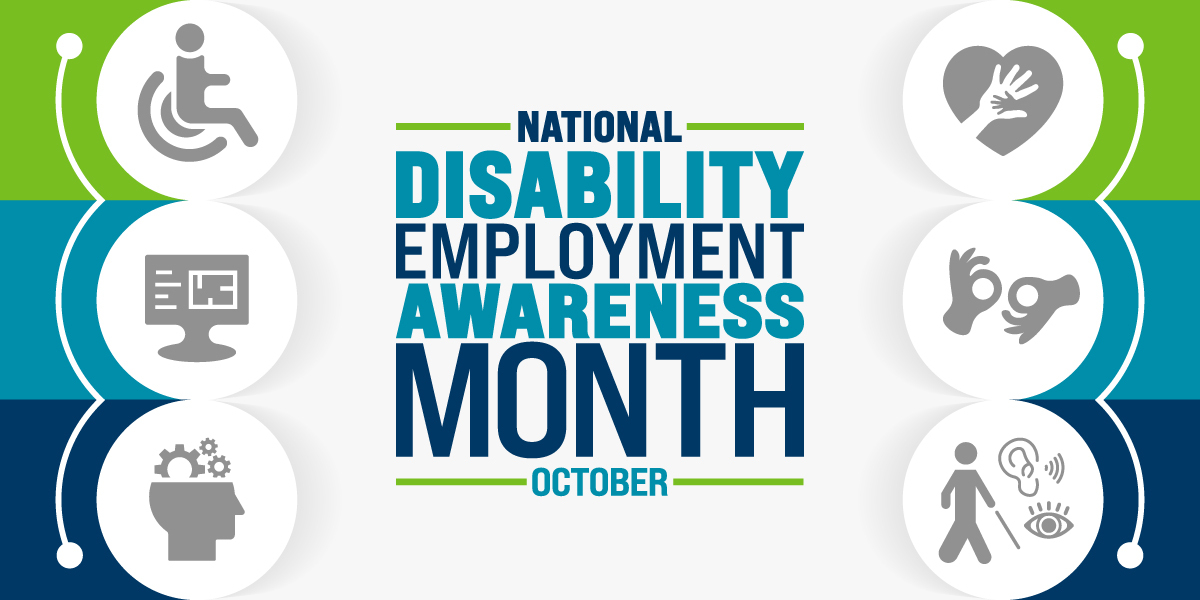
Every October, National Disability Employment Awareness Month (NDEAM) celebrates the contributions of workers with disabilities and promotes inclusive employment practices. The 2025 observance marks NDEAM’s 80th anniversary. In recognition of this milestone, we’re highlighting how digital accessibility can make hiring and onboarding more inclusive for people with disabilities.
Inclusive hiring starts with accessible design. At the State of Minnesota, we believe that every step of the employment journey—from job search to onboarding—should be barrier-free. Digital accessibility is more than just a compliance checkbox; it’s a proactive commitment to equity, transparency, and opportunity.
Minnesota state government has a framework of laws and executive orders to ensure that its workforce reflects the state’s population, which includes people with disabilities. As a result, state agencies have worked to review, refresh, and update every aspect of the hiring process.
Let’s walk through the typical hiring process and highlight where digital accessibility plays a critical role:
According to Minnesota IT Services (MNIT) Director of Equal Opportunity, Diversity, and Inclusion Sarah Herder Lewis, MNIT has implemented several best practices to ensure inclusion in hiring:
Sarah offers this guidance: “Bring together a diverse group of people—including individuals with disabilities—to walk through every step of your hiring process. Consider where unconscious bias might creep in and take steps to mitigate it. At MNIT, the time we invested in building inclusive procedures has paid off. We attract the most qualified candidates from the broadest pool, and we’re stronger because of it.”
MNIT’s Human Resources Director, Chad Thuet, offers this advice: “Intentionally include at least two other individuals in the interview and selection process who not only understand the organization, team, or role—but who also bring different lived experiences and perspectives than your own. Seek out colleagues with varied backgrounds, geographies, demographics, and socio-economic histories. These differences help ensure that candidates are assessed through multiple lenses, reducing the risk of unconscious bias and broadening the definition of what ‘qualified’ looks like. Inclusion in hiring starts with who’s at the table making the decisions.”
Tell applicants that ADA accommodations are available and share who to contact. Build accessibility into every step of hiring—from job postings and applications to interviews and onboarding.
Inclusive hiring and onboarding open doors for people with disabilities and strengthen our teams, our services, and our communities. Accessibility is everyone’s responsibility—and when we lead with inclusion, everyone benefits.
Subscribe to our Newsletter
Would you like to learn more about the accessibility work being done by Minnesota IT Services and the State of Minnesota? Once a month we will bring you more tips, articles, and ways to learn more about digital accessibility.
Accessibility
Accessibility
