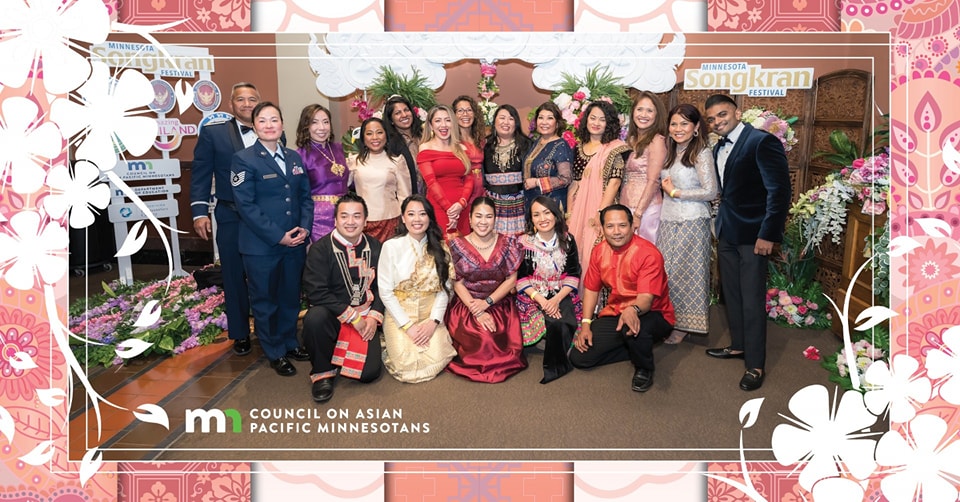
2024 Heritage Month

May 1, 2024
Asian American and Pacific Islander Heritage Month dates back to 1977, when the first resolution was introduced to establish an AAPI Heritage Week. In 1992, President George H.W. Bush declared the month of May as Asian and Pacific Islander Heritage Month. Today, 46 years after the nation began observing the shared heritage of its API populace, we at the Council welcome May and the 2024 AAPI Heritage Month. Throughout the month we’ll share interesting tidbits of information about the API population in our own state. Stay tuned to learn and celebrate with us.
 May 6, 2024
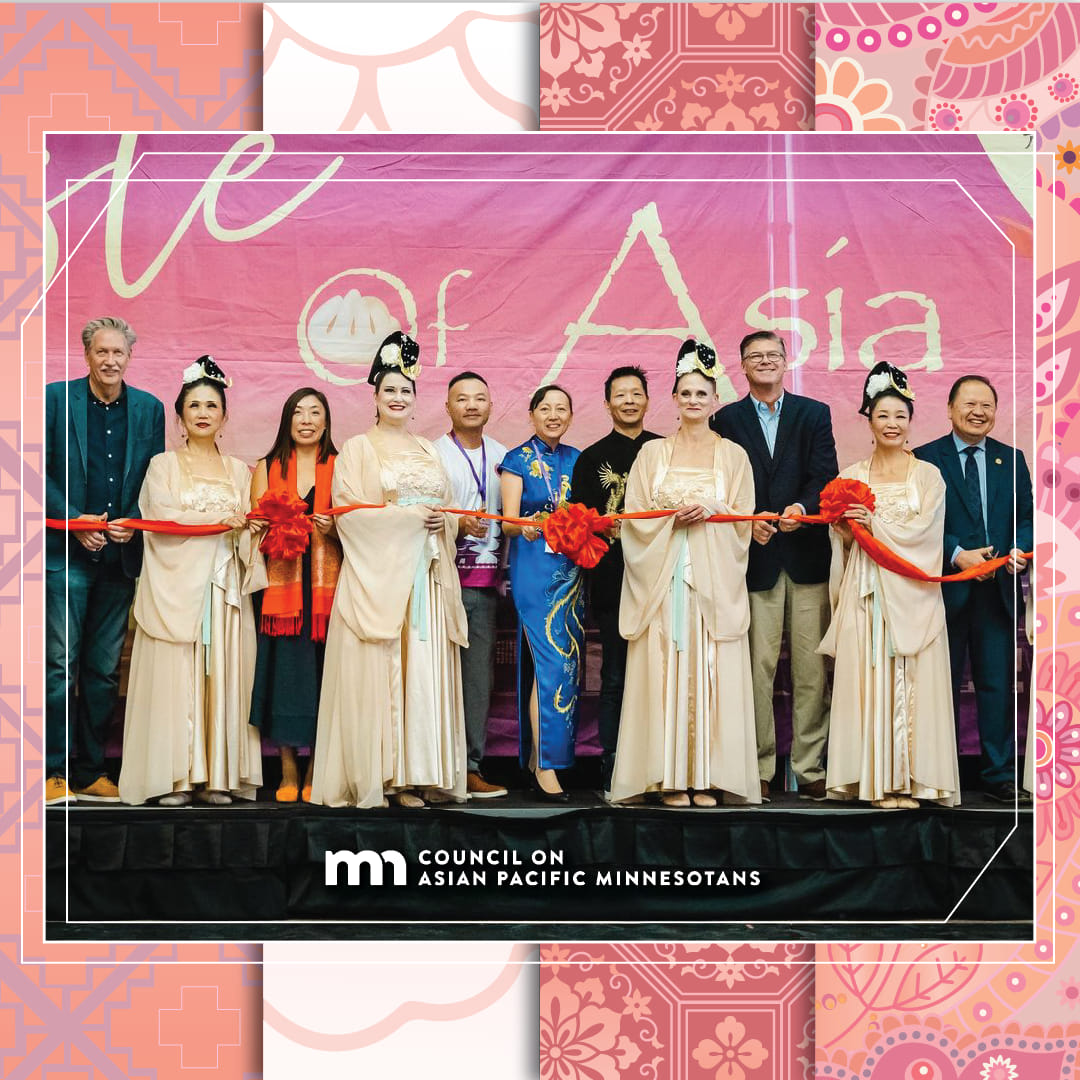
May is Asian American, Pacific Islander, and Native Hawaiian Heritage Month. To celebrate this national observance, the Council is highlighting unique facts about API communities here in Minnesota. Did you know the Chinese were one of the first API communities to call Minnesota home? Chinese Minnesotans came to Minnesota in successive waves influenced by national policies, opportunities, and needs. The first Chinese to arrive in Minnesota came in the 1880s and were of Taishan/Cantonese descent. Today, Chinese Minnesotans range from families of those early Minnesotan communities to new immigrants and scholars, and everywhere in between. Fun fact: James Hong, the notable Hollywood actor who had roles in Kung Fu Panda and Big Trouble in Little China, was born in Minneapolis. #AAPIHeritageMonth
Photo credit: Minnesota Prairie Roots/Audrey Kletscher Helbling
 May 9, 2024
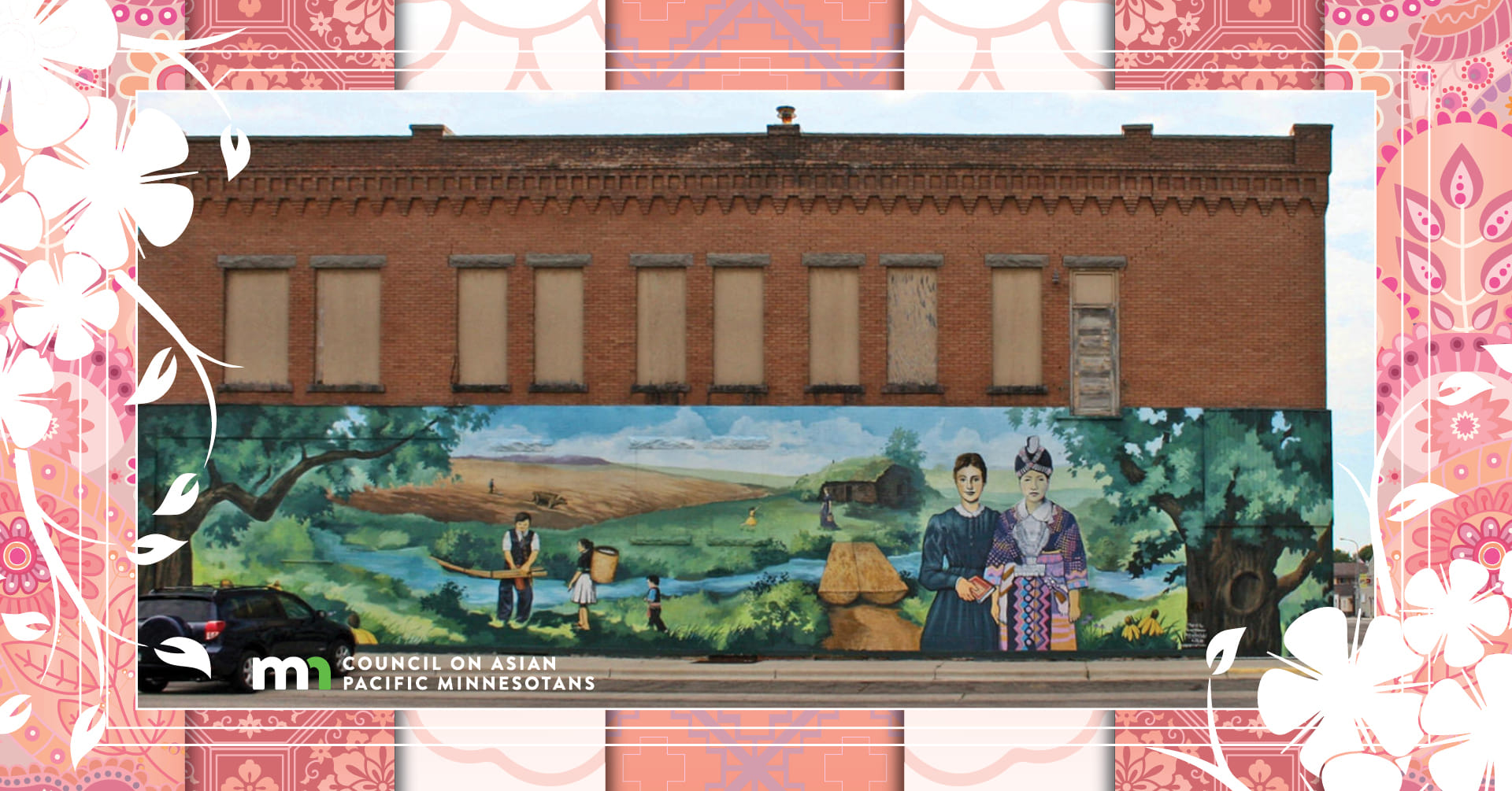
What does “Little House on the Prairie,” beloved book series-turned-television show, have in common with Hmong Minnesotans, the state’s largest API community? Come to Walnut Grove, a town of about 700 people three hours west of the Twin Cities, and you’ll see. Paying homage to cultural practices shared among modern-day farmers, Hmong community members who have made the town their home since around 2000, and early Minnesota pioneers, a large mural depicts Laura Ingalls Wilder—well-known author of the “Little House on the Prairie” book series—standing beside a woman in traditional Hmong clothing. Funds for the mural were raised in 2013 by community members, and the mural was painted on the town’s sole grocery store, owned by a Hmong community member. #AAPIHeritageMonth
May 16, 2024
Local business and community gardens serve as gathering places for many in Minnesota’s API communities—and in the North End neighborhood of St. Paul, you’ll find a small but tight-knit populace of Nepali Minnesotans building and maintaining a community. Even as one of the smaller API communities in Minnesota with around 4,000 people, we see evidence of their significant cultural and economic impact: from top-notch restaurants like Everest on Grand, Gorkha Palace, and Nepali Kitchen, to organizations including the Association of Nepalis in Minnesota. Nepalis came to Minnesota as scholars, entrepreneurs, immigrants, and refugees, and add to the fabric of our diverse Minnesota. #AAPIHeritageMonth
 May 23, 2024
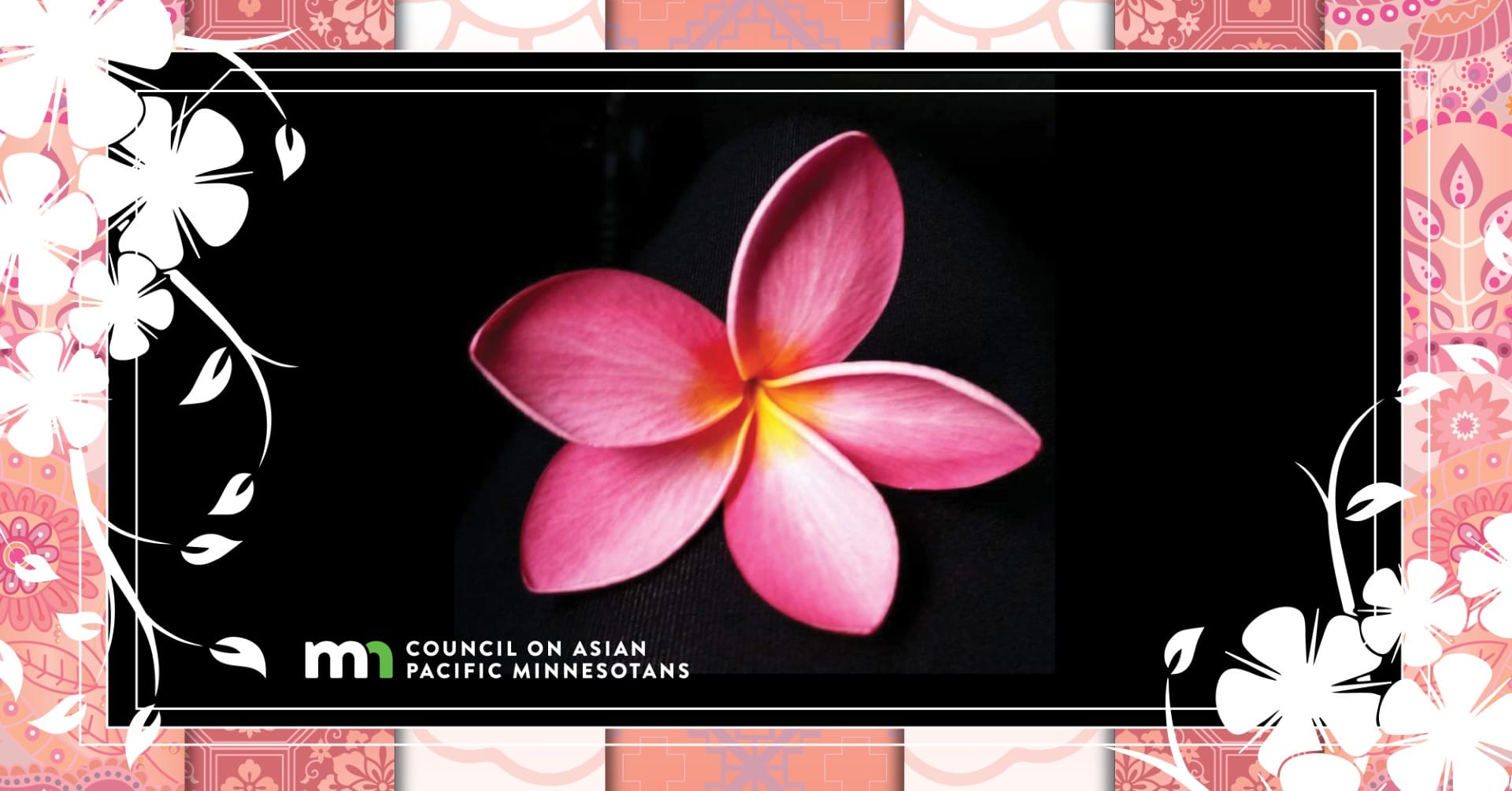
Flowers carry unique symbolism in both Minnesotan and Southeast Asian communities. The Minnesota state flower belongs to the orchid family—the elusive pink lady slipper that grows primarily in pine-rich soils. To many Southeast Asians in Minnesota, the plumeria, or dok champa, represents their unique culture and lands. As the official flower of Laos, it is seen in celebrations and grown in gardens across the region. To see live, vibrant displays of this beautiful flower, just Wat Thai in Saint Louis Park to see these tropical plants carefully tended by resident monks.
 May 30, 2024
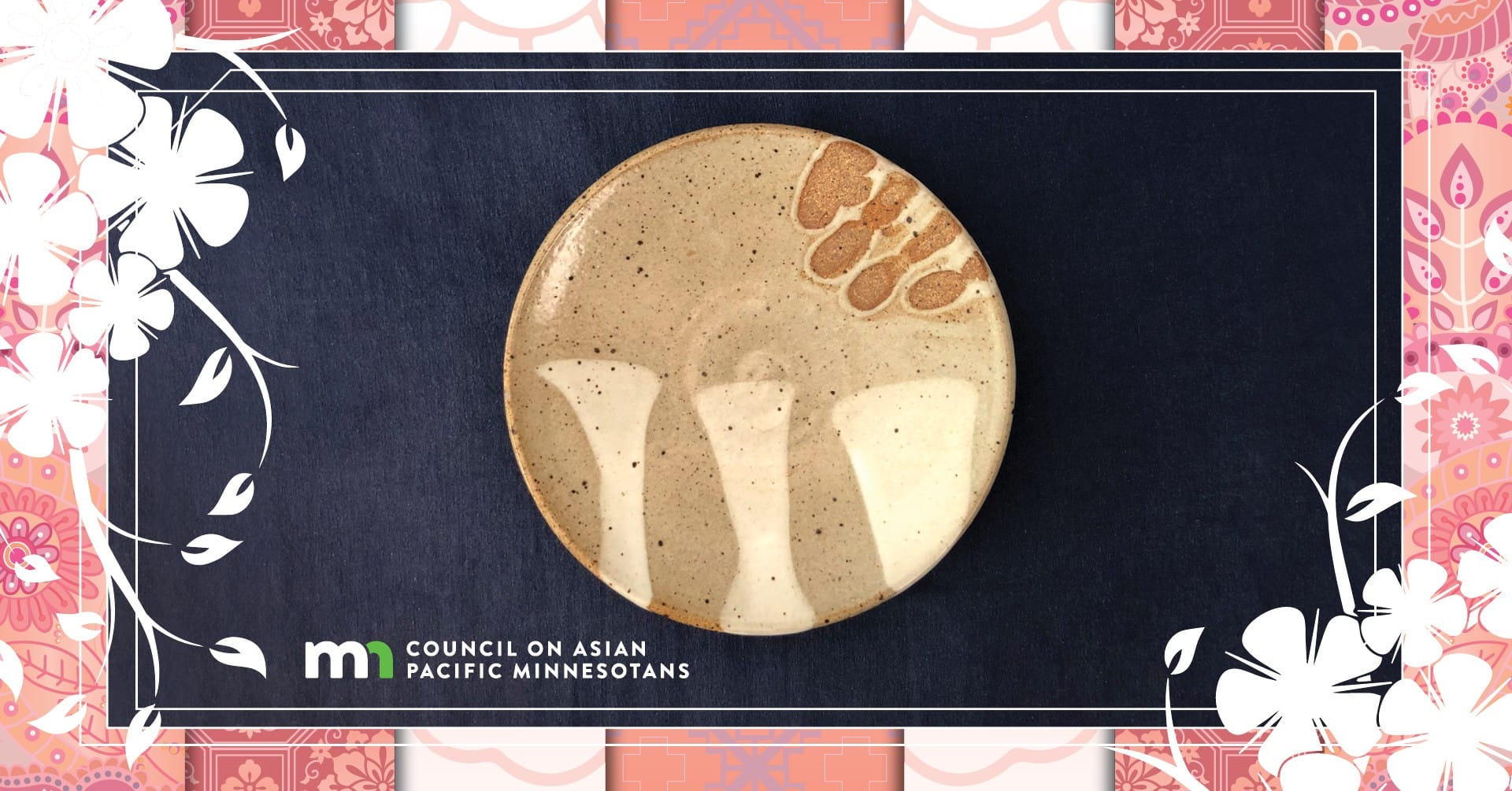
Minnesota is home to more than 40 unique Asian and Pacific Islander ethnic groups, including a statewide community of Japanese Minnesotans. Additionally, our state boasts a one-of-a-kind artistic style that blends an ancient Japanese pottery tradition with American and British arts and crafts movements.
Minnesota-based Warren MacKenzie, one of the nation’s most celebrated potters, was a student of both Japanese potter Shoji Hamada—whose work was based in the Mingei folk art style—and United Kingdom-based Bernard Leach, known as the father of British studio pottery. MacKenzie’s work was a blend of Midwest and Mingei folk art, and was coined “Mingei-sota” style art. The University of Minnesota professor passed away in 2018, but his prolific pottery and 40-year teaching career have left a lasting impact on artistic styles across Minnesota, the Midwest, and the United States. #AAPIHeritageMonth
May 31, 2024
Today concludes Asian American, Pacific Islander, and Native Hawaiian Heritage Month. Minnesota is home to more than 40 unique Asian and Pacific Islander ethnic groups, meaning we at the Council could feature a different community within our state for 31 days and still not get to them all! Many non-Minnesotans are surprised when they learn of the broad diversity found within our state’s borders, and it is for this reason that the Council works to uplift each and every one of our API communities every day of the year. #AAPIHeritageMonth