Council-Sponsored Grant Activities: Partners in Policymaking®
Partners in Policymaking Class 37
Weekend 1 (September 13 - 14, 2019)
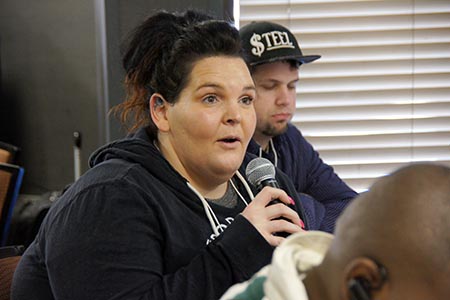
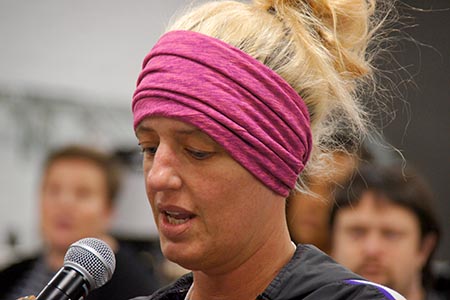
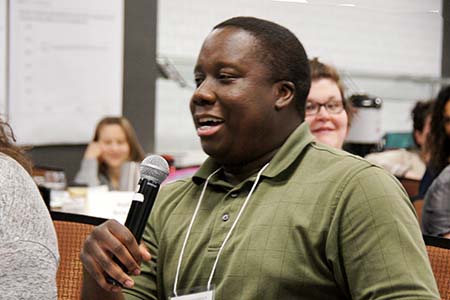
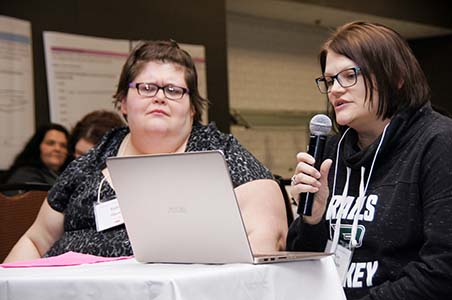
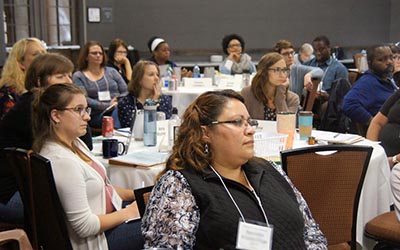
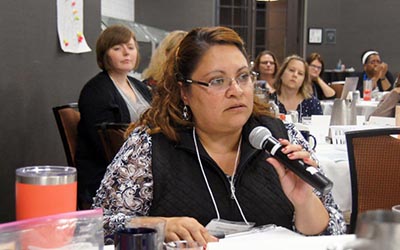
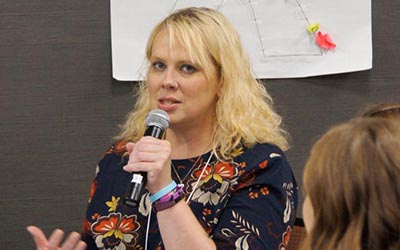
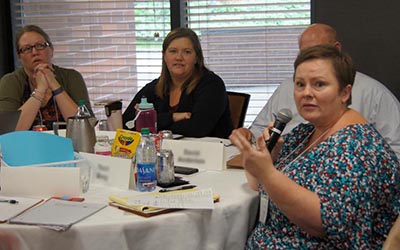
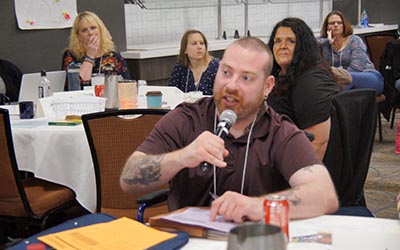
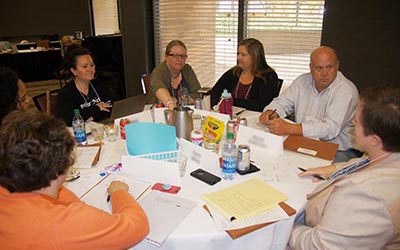
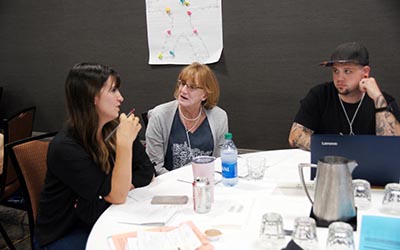
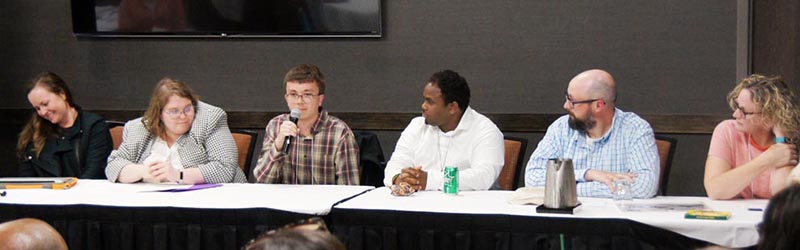
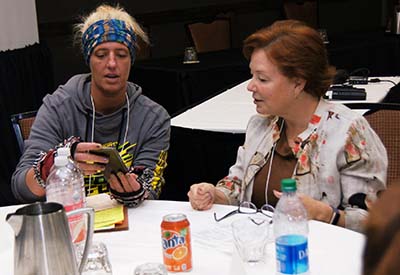
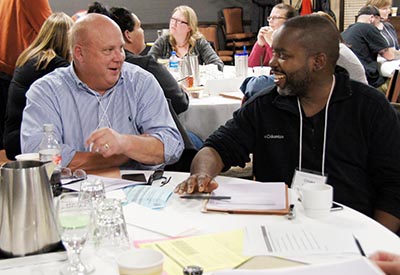
September 13-14, 2019 was the first weekend session for Partners Class 37. This weekend session is devoted to history and sets the foundation and tone for the program year. Participants need to know the origins of services and programs, and delivery systems – where we've been, how services and programs have evolved over time to where we are today, and how to improve to get to where we want to go in the future. This history covers the Parent Movement, Independent Living Movement, and Self Advocacy Movement. A panel of Partners graduates shared their personal experiences about the Partners program and the benefits they received. Bonnie Jean Smith, parent trainer and Partners graduate, presented the concepts and principles of person centered thinking and person centered planning.

Weekend 2 (October 11 - 12, 2019)
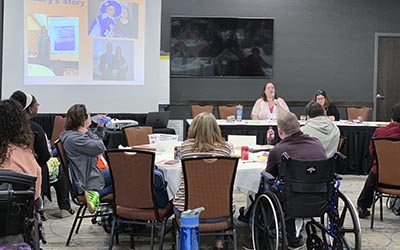
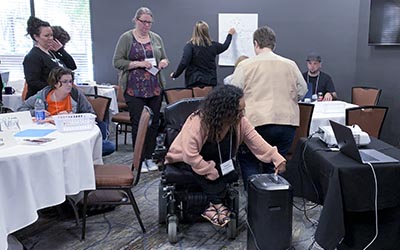
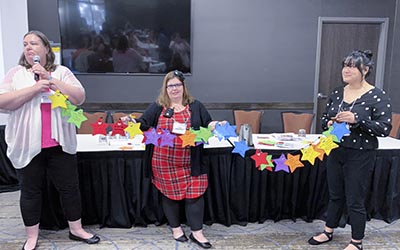
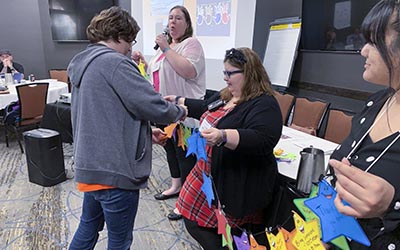
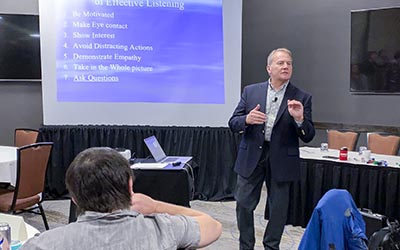
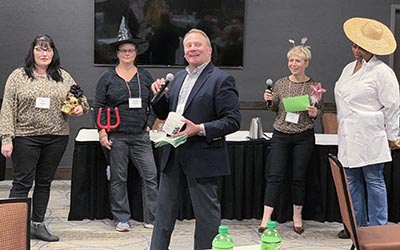
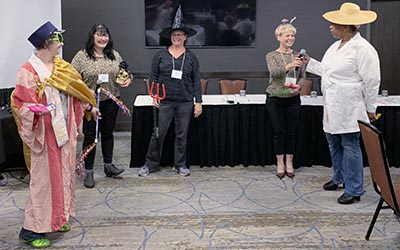
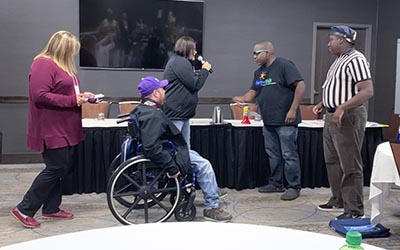
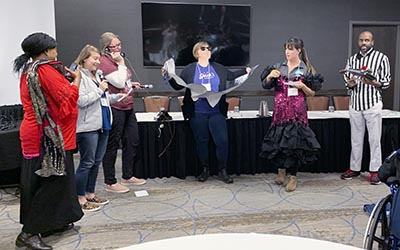
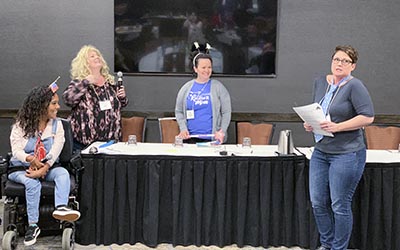
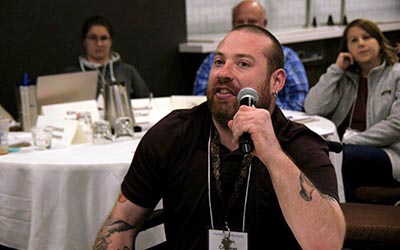
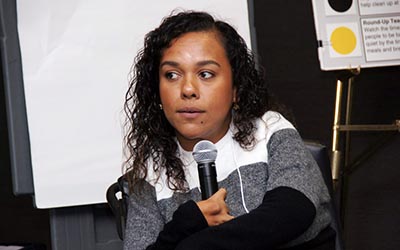
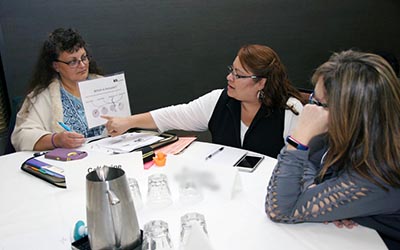
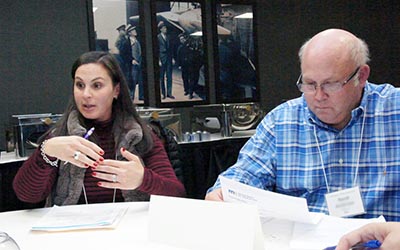
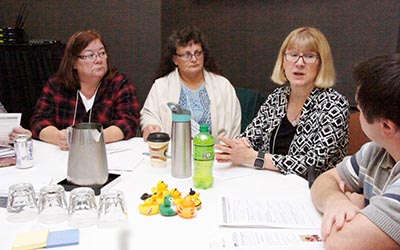
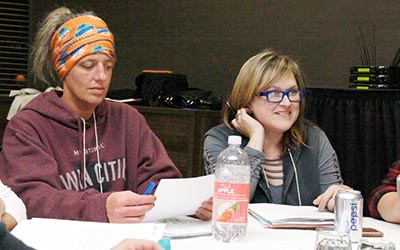
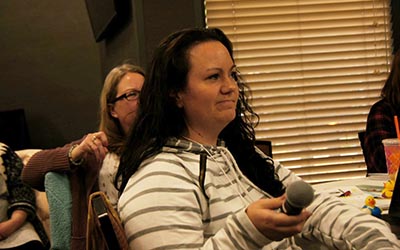
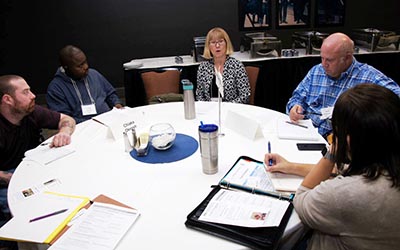
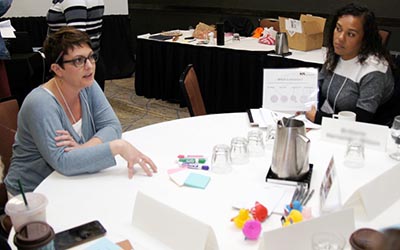
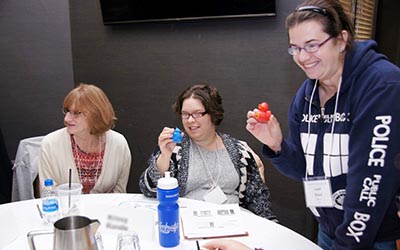
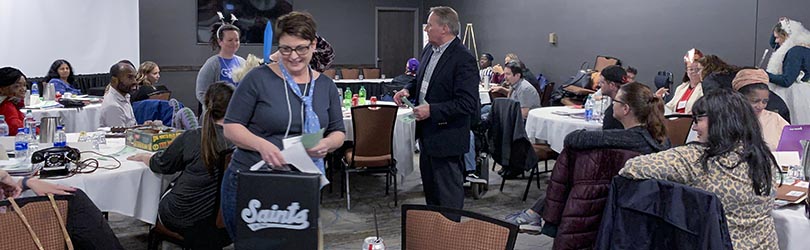
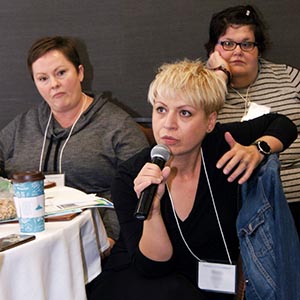
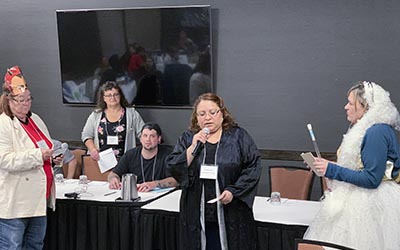
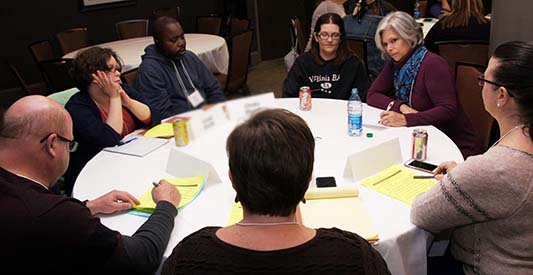
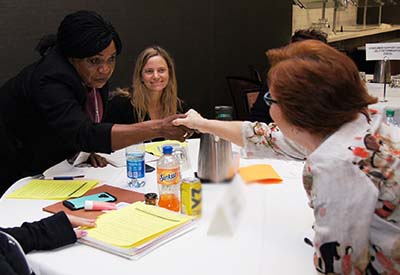
October 11-12, 2019: Partnerships are key to forging a positive learning environment and a successful school experience for all students. Participants learned about the value of helping to assure that all students are educated together with their peers and well prepared to continue their education and pursue their personal life goals. Round table discussions with representatives from the Department of Education and the STAR Program gave participants the opportunity to meet the people with the expertise in topics specific to special education, including due process, assistive technology, and positive behavioral interventions and supports. Creative scripts with costumes and props provided the stage for applying the laws of communication and the characteristics of effective listening to get good things done right, to get along in the process, and be appreciated.



Weekend 3 (November 15 – 16, 2019)
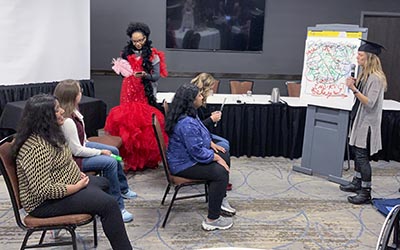
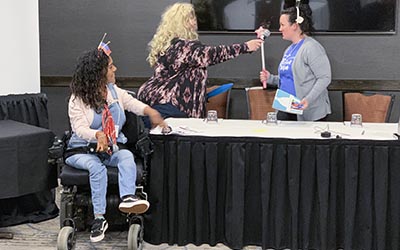
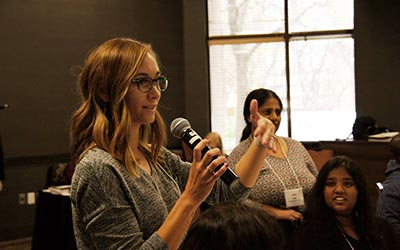
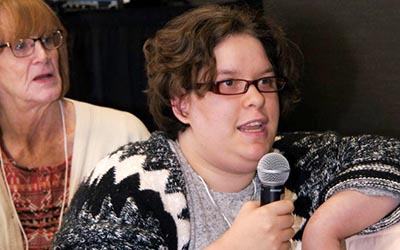
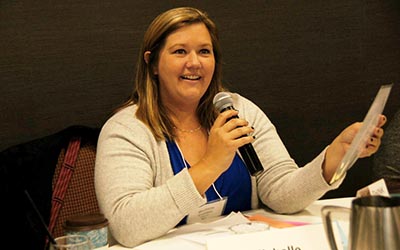
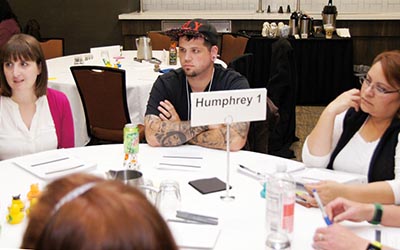
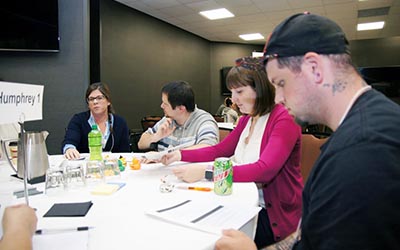
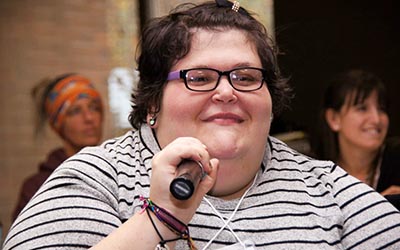
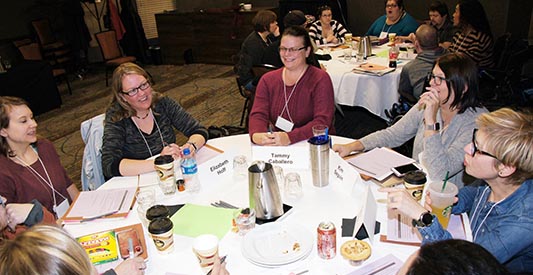
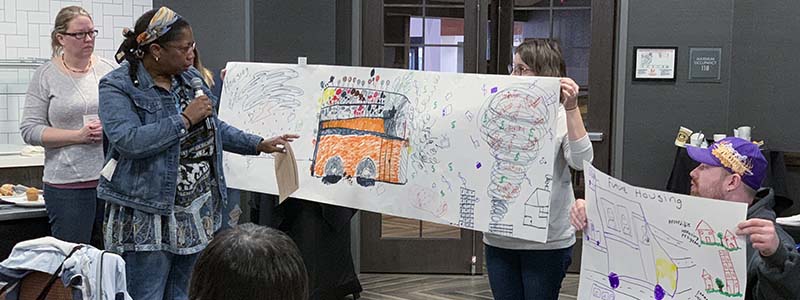
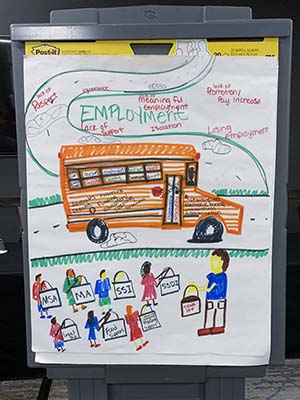
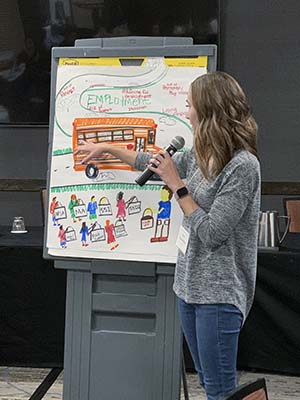
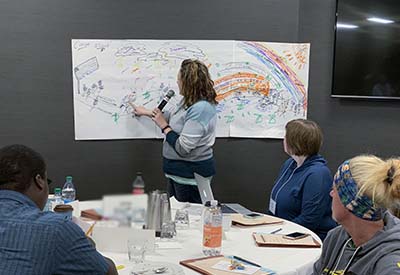
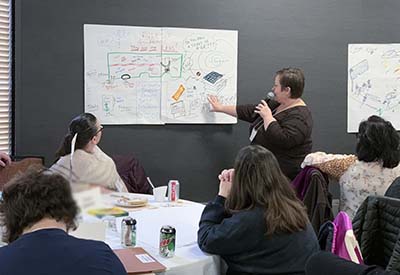
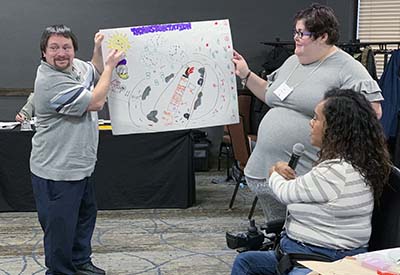
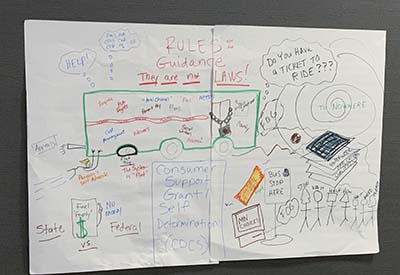
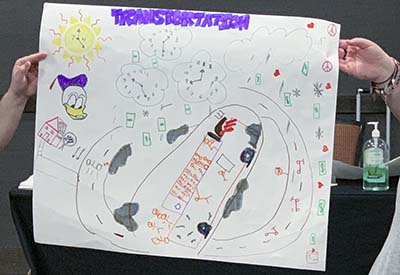
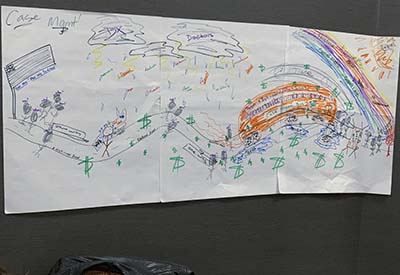
November 15 – 16, 2019: introduced participants to local government – the county level, how counties are governed, and the role and responsibilities of county commissioners. In small groups, participants created Vision Statements for the Year 2030 and demonstrated their creative talents, using a bus as a metaphor, to present the challenges they encounter in learning about programs and how to access needed services and supports. A highlight of the weekend was meeting with county commissioners, sharing personal stories that addressed policy issues that are within the decision making authority of counties, and offering ideas for improvements that could make their vision of the future become reality.








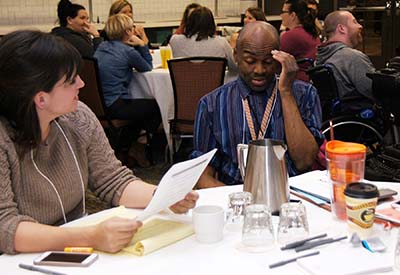
Weekend 4 (January 17 - 18, 2020)
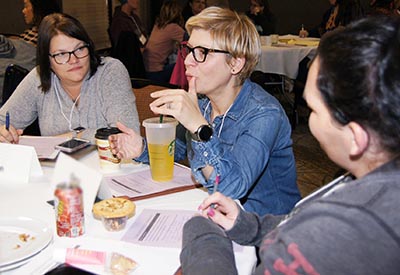
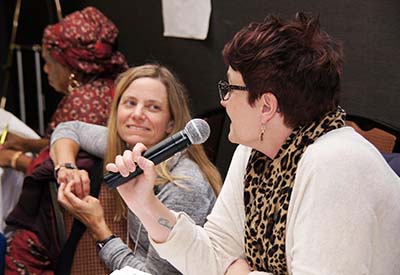
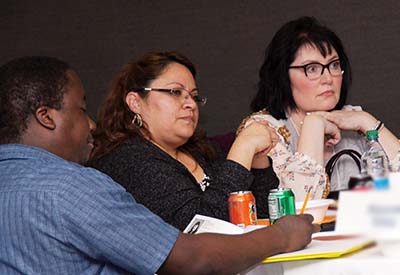
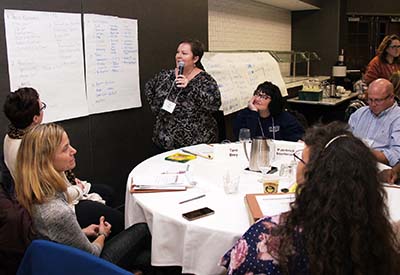
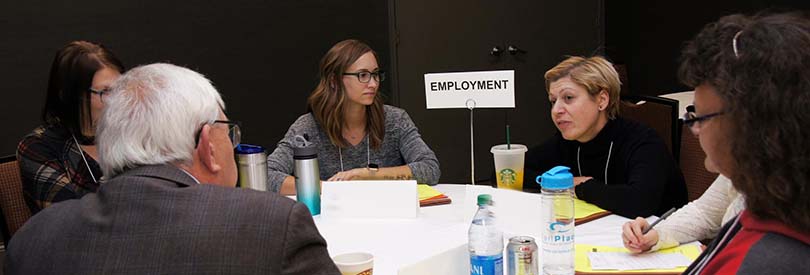
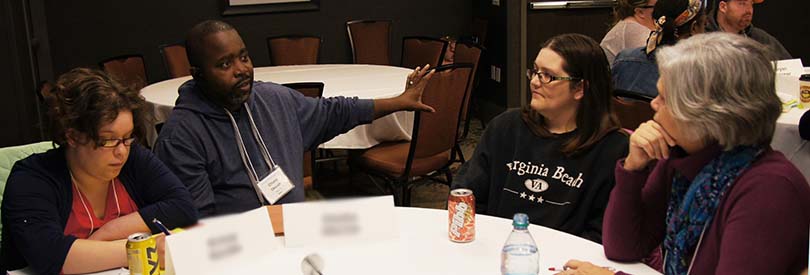
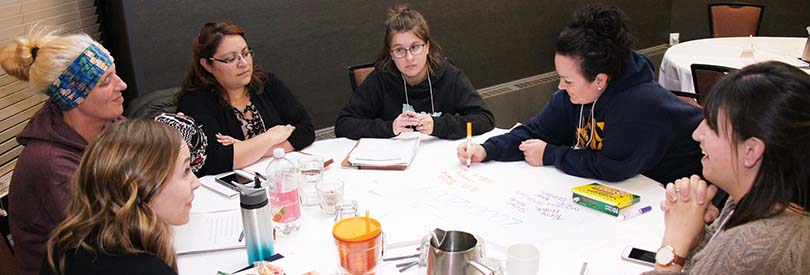
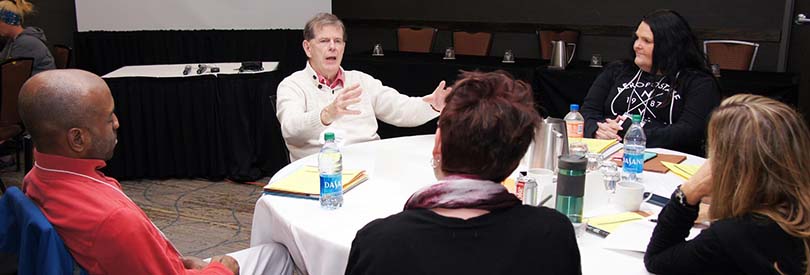
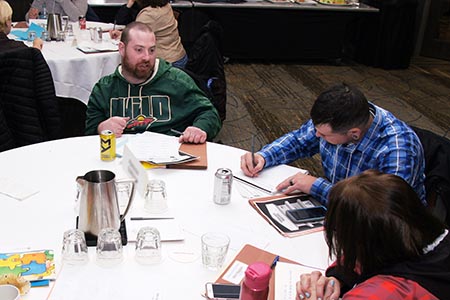
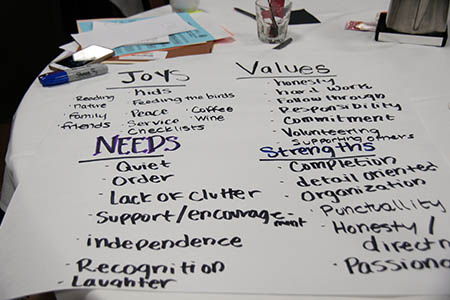
Where one lives and with whom are personal decisions that can make for a comfortable environment to be yourself, to return to at the end of a day, or to be with friends or family for fun and relaxation. Participants learned about a range of living situations and options for sharing expenses. Work is more than just a job. Discovering one's individual interests, strengths, abilities, and preferences can result in more meaningful work, lead to opportunities to gain new skills, and be recognized for the contributions to a business or organization. A "Real Colors" exercise gave participants the opportunity to think about some of their personal characteristics, how individual interests and life styles are factors in developing relationships, working with each other, and forging positive partnerships with elected officials on public policy issues.
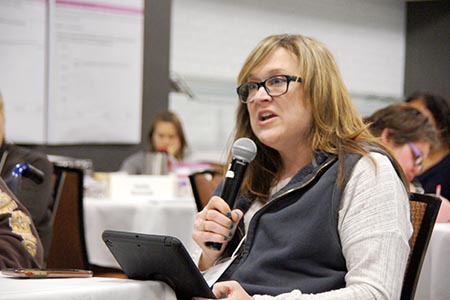
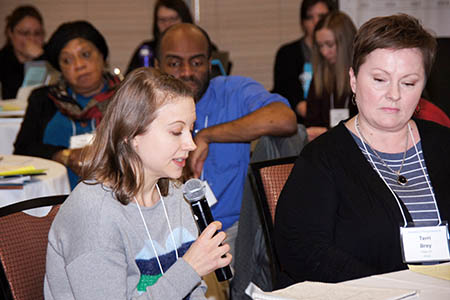

Weekend 5 (February 7 - 8, 2020)
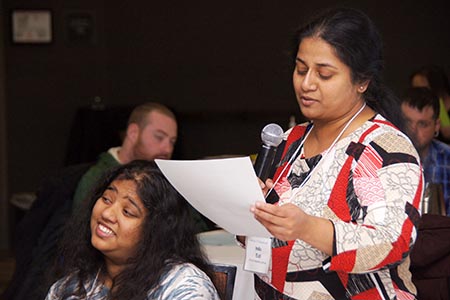
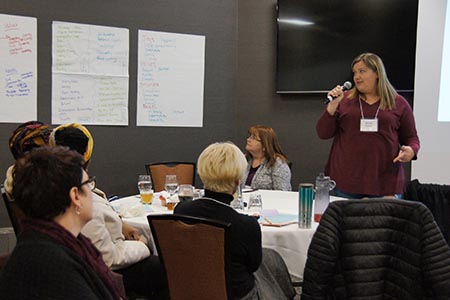
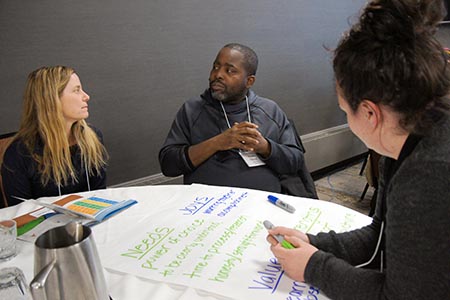
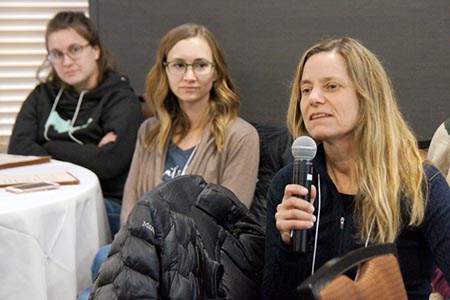
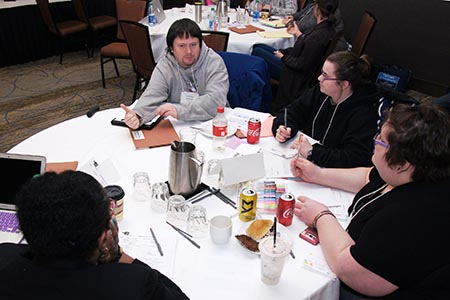
Topics for small group work were based on the goals and strategies in Minnesota's Olmstead Plan, performance measure,s and whether goals have been reached; and draft Olmstead Plan Amendments. Participants prepared and presented testimony regarding person centered planning, employment, timeliness related to waiver services, abuse and neglect issues, life long learning and education including post secondary education, health care and healthy living, positive supports, and transportation. The role of the media, and the importance of establishing and strengthening partnerships with the media were discussed as another avenue for drawing attention to issues that are the focus of community organizing efforts.