
Distributed Energy in Minnesota
This page provides information and resources for customers, developers, and utilities on distributed energy generation and the state's regulatory framework.
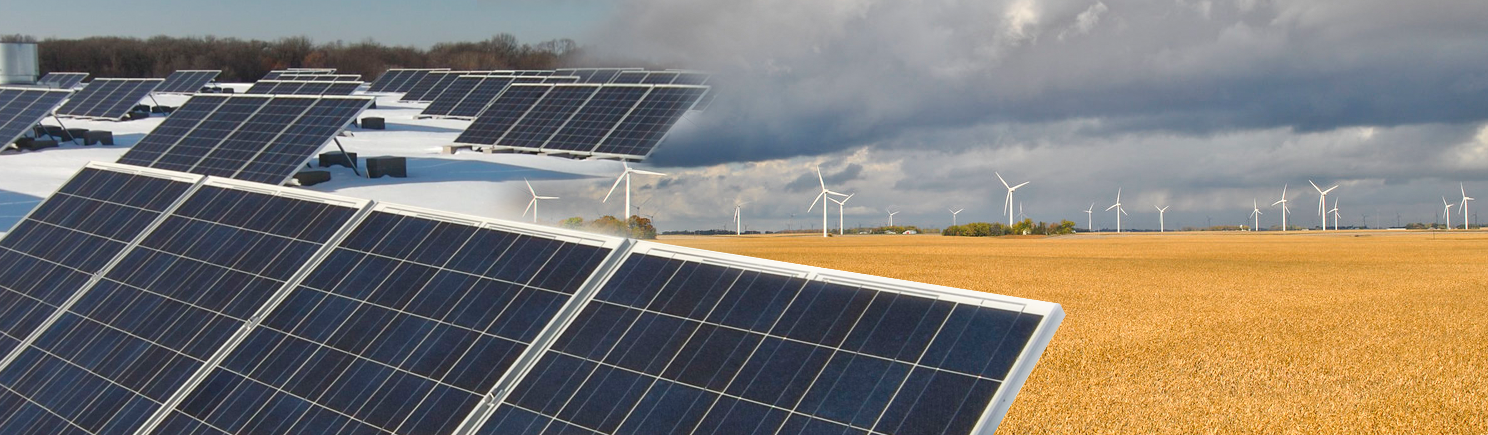
Distributed energy generation, also known as distributed energy resources (DER), involves a variety of technologies that generate electricity at or near where it will be used. This provides an alternative or supplement to traditional, large-scale power plants.
Common examples include:
-
Solar panels on rooftops or in solar gardens
-
Small wind turbines
-
Combined heat and power systems
-
Battery storage facilities
These systems can be connected to the electric utility's distribution system, helping to support a cleaner, more resilient power grid.
Understanding the terminology
There are a lot of terms used to describe customer-owned distributed generation or distributed energy resources. Some terms carry different meanings, and others reflect changes over time.
-
The federal Public Utility Regulatory Policies Act (PURPA) refers to small power producers, cogeneration, and qualifying facilities (QFs). Examples include rooftop solar, solar + storage, combined heat and power, and distributed wind.
-
Minnesota statutes on interconnection reference distributed generation (DG), while the state’s net metering statute uses terms like PURPA.
-
Distributed Energy Resources is the emerging terminology used to capture supply- and demand-side resources that can be used throughout an electric distribution system to meet customer energy and reliability needs. DERs can be installed on either the customer or utility side of the electric meter and include distributed generation and storage.
Minnesota and federal law allow customers to install DG or DER systems and use the electricity they generate or store to offset the electricity they would otherwise purchase from their utility—including cooperatives and municipal utilities.
The PUC's role
The PUC plays a crucial role in regulating distributed energy to ensure a safe, fair, and reasonable process for all parties. Our responsibilities include:
-
Establishing statewide standards for how distributed energy systems connect to the power grid.
-
Reviewing and approving integrated distribution planning to ensure utilities are preparing for and making the right investments to integrate DERs.
-
Reviewing and approving public utilities’ DER programs and tariffs.
-
Reviewing and approving compensation rates for customers who sell excess electricity back to their utility.
-
Resolving disputes between customers and utilities related to distributed energy.
Learn more
Explore the links below for detailed information on specific topics related to distributed energy.
Distributed generation data
The PUC maintains a public dashboard of distributed energy data, compiled from annual reports submitted by Minnesota's electric utilities. This data includes the number and capacity of interconnected systems across the state.

Interconnection
Interconnection is the process of safely and reliably connecting a customer's distributed energy system to the electric grid. Minnesota has statewide standards for this process, which the PUC oversees to ensure fairness and safety.
Net metering
Net metering and compensation refer to how customers are compensated for the excess electricity they generate and sell back to their utility. The compensation rate depends on factors like the system's size and the specific utility.
Agreements

Agreements outline the terms and conditions for connecting a distributed energy resource to the utility's grid. The PUC has established a Uniform Statewide Contract for smaller systems and the Minnesota Interconnection Agreement for larger ones.
Tariffs and schedules
Tariffs are the terms and conditions, including rates and regulations, that apply to utility services. Public utilities file their tariffs with the Commission, which include compensation rates for distributed generation that are updated annually.

Statutes & rules
This section provides an overview of the key Minnesota statutes and rules that govern distributed energy. These laws, such as Minn. Stat. 216B.1611, establish the legal framework for interconnection and net metering.
Disputes
If a dispute arises between a customer and a utility regarding distributed energy, the PUC’s Consumer Affairs Office can assist. They offer an informal process for resolving complaints through investigation, mediation, or referral to a formal complaint process.
Minn. Stat. §216B.164; Subd. 11 addresses Cooperative Electric Associations and Commission authority. See Docket No. E999/CI-17-487 for Cooperative Associations that filed resolutions assuming authority.
More about the PUC


Disclaimer
This webpage is intended as an informational-only, general overview of some key Minnesota statutes, rules and Commission Orders related to customer-sited distributed generation. The information on this page does not represent a Commission interpretation of said statutes, rules and orders.