
Very large electric customers and the PUC process
The Minnesota Public Utilities Commission oversees the integration of high-demand electric users into the state’s power grid. This oversight ensures that large-scale industrial projects support economic growth without compromising grid reliability or shifting infrastructure costs onto other electric customers.
In Minnesota, a “very large customer” typically refers to a single facility with electricity demand substantial enough to require specialized infrastructure and unique rate structures. These users are generally served under a utility’s “large power” or “large industrial” service schedules.
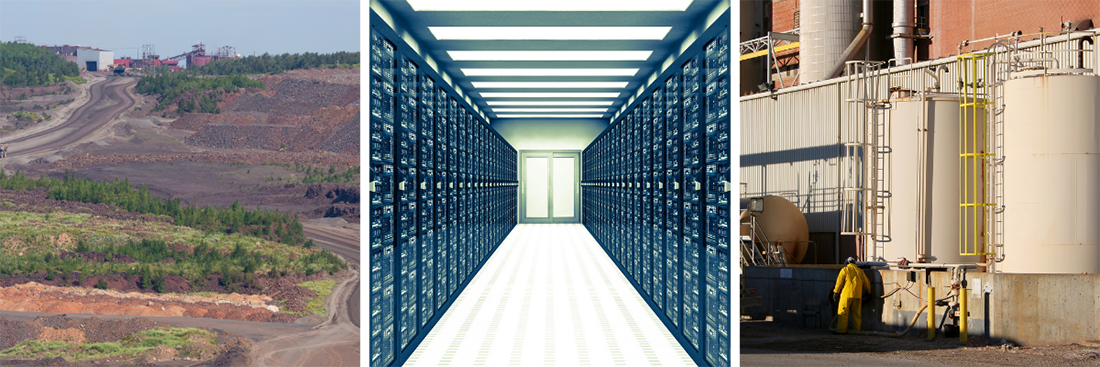
Common examples of these high-demand facilities in Minnesota include:
-
Mines
-
Pulp and paper mills
-
Refineries
-
Metal Recycling
-
Large-scale food processing
-
Large manufacturers
Understanding utility tariffs
A tariff is a legally binding document filed by a utility and approved by the Commission. It acts as the rulebook for service, defining the rates and conditions for how power is delivered and paid for.
For large load customers, tariffs are the primary tool used to protect the public interest by:
-
Ensuring the costs of building new substations or high-voltage lines for a specific project are paid for by that customer, not existing ratepayers.
-
Requiring customers to pay minimum amounts even if they leave early, preventing “stranded costs” where other customers are left paying for abandoned infrastructure.
The PUC regulatory process
The Commission follows a structured process to review and approve electric service agreements:
-
Initial Application: The customer and utility determine technical needs and resource availability.
-
Electric Service Agreement (ESA): A specialized contract is drafted between the utility and the customer, often adding project-specific details based on the utility’s approved very large customer tariff. Download a factsheet to learn more about the ESA process.
-
Commission Filing: The utility files an ESA Petition with the PUC for approval. The PUC requires utilities to demonstrate how the electric demand in the ESA aligns with the utility’s Integrated Resource Plan
-
Public Review: Stakeholders, such as the Department of Commerce and consumer advocates, and the public review the filing in eDockets and offer comments.
-
Commission Order: At a public hearing, the PUC commissioners will review and deliberate to approve, deny, or modify the agreement with specific conditions intended to ensure just and reasonable rates and serve the public interest.
Service to Very Large Customers
While standard large power tariffs traditionally started as low as 5 MW, new very large customer tariffs establish much higher bars for specialized safeguards:
-
Xcel Energy: The Commission defined very large customers for purposes of Xcel’s tariffs as new loads sized 100 MW or greater. Additionally, this new customer class will include any new customer with at least 20 MW but less than 100 MW of load if the customer is “system intensive” – meaning the customer will require significant system modifications, design, engineering, or other expenditures prior to starting service (Docket 25-289). Read the press release about Xcel Energy’s very large customer tariff.
-
Minnesota Power: The Commission directed Minnesota Power to file an updated proposed tariff by July 15, 2026. (Docket 26-126)
-
Otter Tail Power: Filed a petition for a new class for very large customers generally and a rate schedule for data center loads. (Docket 26-211)
-
Dakota Electric Association: The Commission approved Dakota Electric’s modified Extension of Service Tariff to create new requirements for extending to extraordinarily large commercial and industrial and system-intensive members (based on the voltage level serving the customer being greater than 12.5kV); including establishing a large load engineering project queue and establishing cost requirements for these members to protect other members. (Docket No. 25-178). The Cooperative filed a proposed Very Large Member Contract Rate Service tariff, for members with load of 50 MW or more, to require an ESA and Commission approval. (Docket 26-243)