
Recreation
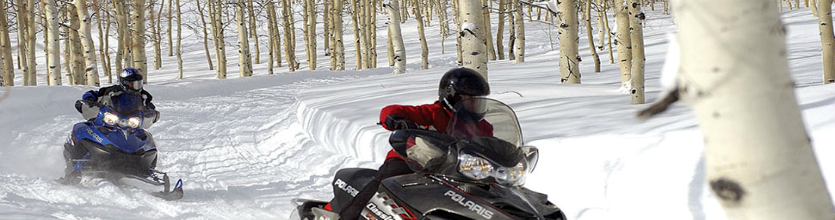
Minnesota generally allows free public recreation on school trust lands. Hundreds of thousands of people use these lands each year for hunting, fishing, hiking, camping, snowmobiling, off-highway vehicle use, and other activities, except where access is restricted or incompatible with uses such as mining, timber harvesting, or infrastructure development.
Recreation generates limited direct revenue, primarily through state forest campground fees, recreation-related leases, and certain permitted uses. Minnesota does not require a general permit or charge for public access to school trust lands. As a result, most recreational use produces no direct financial return for deposit into the Permanent School Fund.
Minnesota’s approach differs from that of many other school trust land states, which generate revenue or compensation from recreational use or are developing strategies to do so. These approaches include access permits, recreation licenses, commercial-use fees, and payments or agreements with other public agencies. In Minnesota, most recreational use remains uncompensated and is managed as a discretionary public benefit rather than as a material source of financial return for the Permanent School Fund.
School trust lands nonetheless play an important role in supporting outdoor recreation statewide. While they comprise roughly five percent of Minnesota’s land base and a similar share of statewide recreational use, their regional importance is substantially greater. In northern Minnesota, where school trust lands are concentrated, they provide public access, major trail corridors, habitat supporting popular game species, and a significant share of state forest camping opportunities. In these regions, school trust lands play a particularly important role in sustaining Minnesota’s public-land recreation system and providing access to natural landscapes.