
Real Estate Management
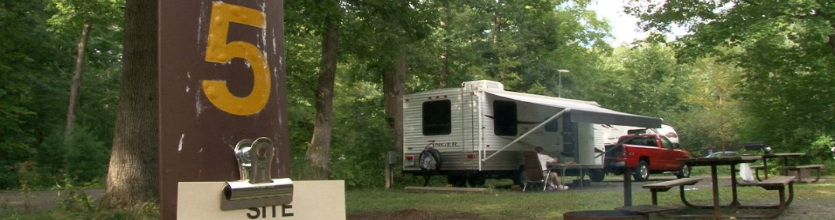
School trust real estate revenue is generated through leases, easements, utility licenses, campground fees, and other real estate transactions. The amount and timing of revenue depend on factors such as location, access, market demand, existing land uses, legal constraints, and the terms of each transaction.
School trust lands may also be sold or exchanged to improve the financial performance and manageability of the portfolio. Transactions may be used to consolidate ownership, reduce management costs, improve access, resolve fragmented or severed ownership, or exchange existing school trust assets for lands with stronger long-term revenue potential. The evaluation of whether to retain, sell, or exchange land includes consideration of current revenue, management costs, marketability, risks, and future earning capacity.
The Department of Natural Resources’ Division of Forestry and Division of Lands and Minerals work together to evaluate, negotiate, document, and administer school trust real estate transactions.