
Minerals Management
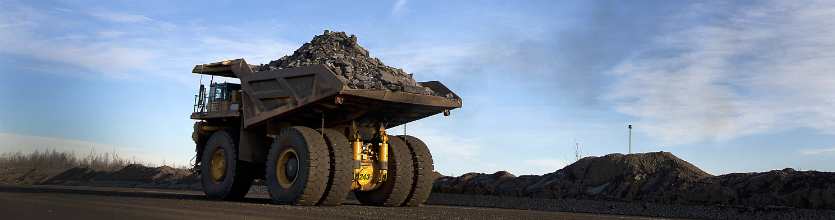
Minnesota holds approximately 3.5 million acres of school trust mineral rights. This includes mineral rights beneath approximately 2.5 million acres where the state owns both the surface and mineral estate, as well as approximately one million acres of severed mineral rights. Severed mineral rights occur where the state retained the ownership of the minerals when the surface estate was sold or otherwise conveyed.
School trust mineral revenues are generated primarily through the leasing and production of iron ore and taconite, the recovery of stockpiled iron ore, construction aggregate leases, and other mineral-related activities. DNR has also issued exploration leases for nonferrous metallic minerals, including copper, nickel, gold, and platinum-group metals. To date, however, those exploration activities have not resulted in commercial mineral production.
Other mineral resources associated with school trust lands include industrial minerals such as dimension stone and silica sand, construction aggregates such as sand and gravel, and peat.
The Department of Natural Resources’ Division of Lands and Minerals manages school trust mineral resources. Its responsibilities include evaluating mineral potential, conducting mineral lease sales, negotiating and administering leases, monitoring and verifying minerals removed from school trust mineral interests, evaluating mineral resources in connection with proposed land transactions, and collecting and accounting for mineral revenues.
Mineral leases can generate several forms of revenue, including application fees, rentals, bonus payments, and royalties associated with mineral production. The amount and timing of revenue depend on factors such as mineral potential, exploration and development activity, commodity markets, lease terms, regulatory requirements, and whether a mineral deposit advances to commercial production.
Currently, more than 90 percent of school trust land revenues deposited into the Permanent School Fund come from minerals management activities, with the majority of that revenue coming from royalty payments associated with a single company’s mining operation. This concentration makes minerals the portfolio’s principal source of financial returns, but it also creates financial risk: changes in production, commodity markets, operating conditions, or the lifespan of that operation could significantly affect future deposits into the Permanent School Fund.